
One thing learned from experience is that Building a healthy self-esteem, that is based on a solid foundation is an ongoing journey, requiring us to look little deeper than our physical and connecting it back to our outside world. This process challenges us to get to know ourselves, who we are or who we want to become and what we want out of life.
The reason why is that our Self-esteem is made of many components that work together to influence how we see ourselves. These elements include our physical appearance, skills, qualities, talents, goals, aspirations, hobbies, emotions, background and relationships with ourselves and others that all contribute to develop our self-esteem.
To understand how these elements contribute to our self-esteem, we need to get to know ourselves, to help us forge our own identity by creating values and beliefs as the sources of our foundation. As a result, we can identify areas to develop and those to improve on, allowing us to get to the balanced self-esteem we aspire to, because the truth is it can be challenging to effectively improve ourselves or our life if we do not know who we are and where we are going.
How do we get to know ourselves to help us start building our self-esteem?
First, it starts with the desire and willingness to improve our life and to become the best we can be.
1-The first step in the process of getting to know ourselves starts with forging our own identity. This require shading the old beliefs and values, that no longer resonate or align with who we are trying to become. We begin by examining whether these beliefs and values truly belong to us or if we have inherited them from our upbringing and experiences.
Although, our background and experiences always shape who we are, we can learn to define ourselves with new values and beliefs that are more aligned with us. These become the point of reference that we can fall back on whenever we need clarity, feel lost, have doubt or facing uncertainties, especially when we are busy with the daily grind of life, it is hard to stop and reflect. But if we have solid values and beliefs in place, we can easily fall back in line.
For instance, if you find yourself tempted to engage in a business deal that do not resonate well with you or take a shortcut with an opportunity, but you are unsure how to proceed; you can reflect on your values and beliefs to make the decision process easier for you. Perhaps, one of your value and belief is not to cheat your way through life and have integrity. Or you believe that treating other the way you want to be treated is important in relationship. These become part of your value system that you can continue building and referencing back, as you grow.
Questioning your beliefs and values can lead us to start forging our own identity as we define our own that are aligned with our true self. For some of us, we may only need to have clarity on who we are and where we are going as our cores values remain the same, but they may have been overshadowed by life experiences. For others, it requires redefining our cores beliefs and values. Quite often it can be a difficult process as we must release the “old you” that no longer resonates with who we are or want to become. To find ourselves, we must be willing to let go of the old us and learn to become the new us. When we have a faulty identity, we cannot accurately see the world, opportunities, people because everything can seem off. Therefore, we must let go of the old identity so we can create one that can help build a healthy self-esteem. This process of forging our own identity allows us to empower ourselves, thus positively influencing our self-esteem.
Knowing ourselves allow us to start living authentically. We start to let go of fears, and validation from outside ourselves as we learn to fully embrace who we are or becoming. And this can only positively impact our self-esteem.
2-Understanding and managing our emotions is an essential step in getting to know ourselves. We learn about our temperaments, dispositions, triggers, fears, worries, personality traits, what bring us joy, happiness, our thoughts and actions patterns and how we can work with them to better communicate and navigate life, which in turn can improve our self-esteem.
For instance, do you have tendency to always be anxious or worry about facing uncertainties? and since you know that about yourself, you can work on being prepared before facing these situations or if you want to go deeper, maybe you can learn to release control and trust the universe more, because what will happen in life, always happened and we have little control of things. Or perhaps, you get easily triggered by things outside yourself, so you learn to manage the insecurities or work to address the causes of the trigger, so that when faced with it, you can better respond. Understanding our triggers can help us learn about ourselves, allowing us to know what is healthy for our well-being.
A person who gets to deeply know themselves learn to self-regulate their emotions, develop a good sense of their life direction and is less influenced by things outside themselves. It also allows us to be more discerning by avoiding or learning to better navigate situations that may not be healthy or bring negative emotion for us, while we gain more confidence to face the discomfort.
For instance, if you know that talking about certain subject with a friend always lead to argument, you will more likely avoid engaging in that topic to keep peace, as needed. This allows both to enjoy our time and avoid the need to bring any negative feeling on both sides. On the other end, if you must engage, you are better equipped because you now know what to do.
By learning about our emotions, we can face outside reality with more ease, and when we learn to manage our emotions, we can improve our self-esteem, greatly.
Because our self-esteem is tied up to our emotions and feelings that can either negatively or positively impact it.
Additionally, through working to know ourselves, we may find answers to some of the inner imbalance we may be facing in our life. For instance, we can start to understand the reasons of our pains and traumas, insecurities, fears, worries, sense of loss or lack of direction in life and how we can work to overcome them. Yes, this cannot be accomplished overnight, rather it is a process, a willingness and intentional act that will help us become strong in who we are.
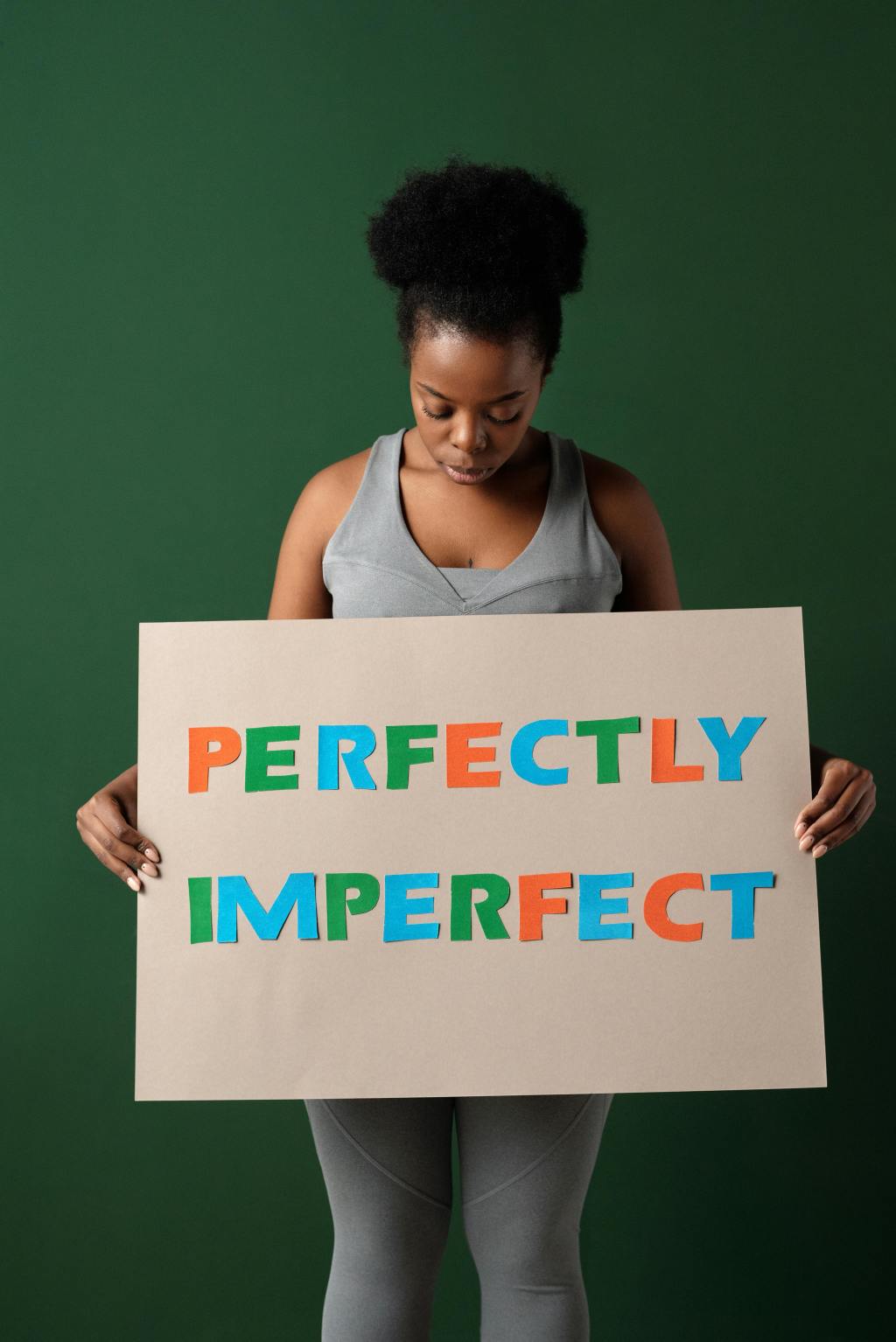
We must also learn to accept our flaws, weaknesses and limitations as part of who we are, and work with them and not let them define us or prevent us from trying to improve. This act will help improve our self-esteem as we accept ourselves fully and not shy away from what makes us.
3-We must learn about our qualities, talents, gifts, skills and strengths. This acknowledgement allows us to double down on those skills and abilities we already possess to help us achieve greater success or positively impact our life.
Rather than wasting our time trying to fix what we are lacking, we put our focus and energy where we naturally excel the most. For example, let say that you noticed that forging connections with people come easily to you and enjoy making them feel welcomed and valued. You may find greater reward if you choose to work in hospitality or in services, if that is something you want, or you can focus on working on a skill you prefer to have. Most of us will agree that going with the former, will likely increase your chance to succeed and find fulfillment. In return, this act can positively influence your self-esteem because when we are doing well in one or more areas of our life, we tend to feel good about ourselves.
The wonderful thing about our natural skills, talents, qualities and strengths is that using them is often easy and fun, and they usually deliver our best results.
To understand our strengths, we can start paying attention to things we are good at, and, or we may also enjoy doing. We do not see our skills, talents or strengths as an ego boosting act, rather we see them as part of our toolbox to help us build a healthy confidence.
4-Getting to know ourselves also means finding about our interests, and goals and choosing to take actions toward them to enrich our life and find fulfillment.
As we engage in activities we enjoy, we notice those that energize us and which ones drain us, while creating happiness, contentment and naturally, our self-esteem can only benefit. Choose to invest in hobbies, social activities or groups, and skills development, either online or in person for your personal growth.
Getting to know ourself is a life long journey, with bumpy roads, made of doubts, fears, insecurities ect—, but the goal is to be able to start developing a healthy relationship with ourselves, so we can improve the way we feel about who we are, with more positive than negative, and greatly impacting our self-esteem in the process. We learn to build our self-esteem through inner strength by learning and acknowledging the various components that make us as individual, embracing them and starting to work with them. At last, when we fall short of knowing who we are, this process can allow us to find out who we are not or who we do not want to be. This can be the starting point of the journey to self-discovery, with possibilities to creating a more balanced sense of self, with self-validation, self-love and self-acceptance.






 ROOTED CONFIDENCE
Leave a comment