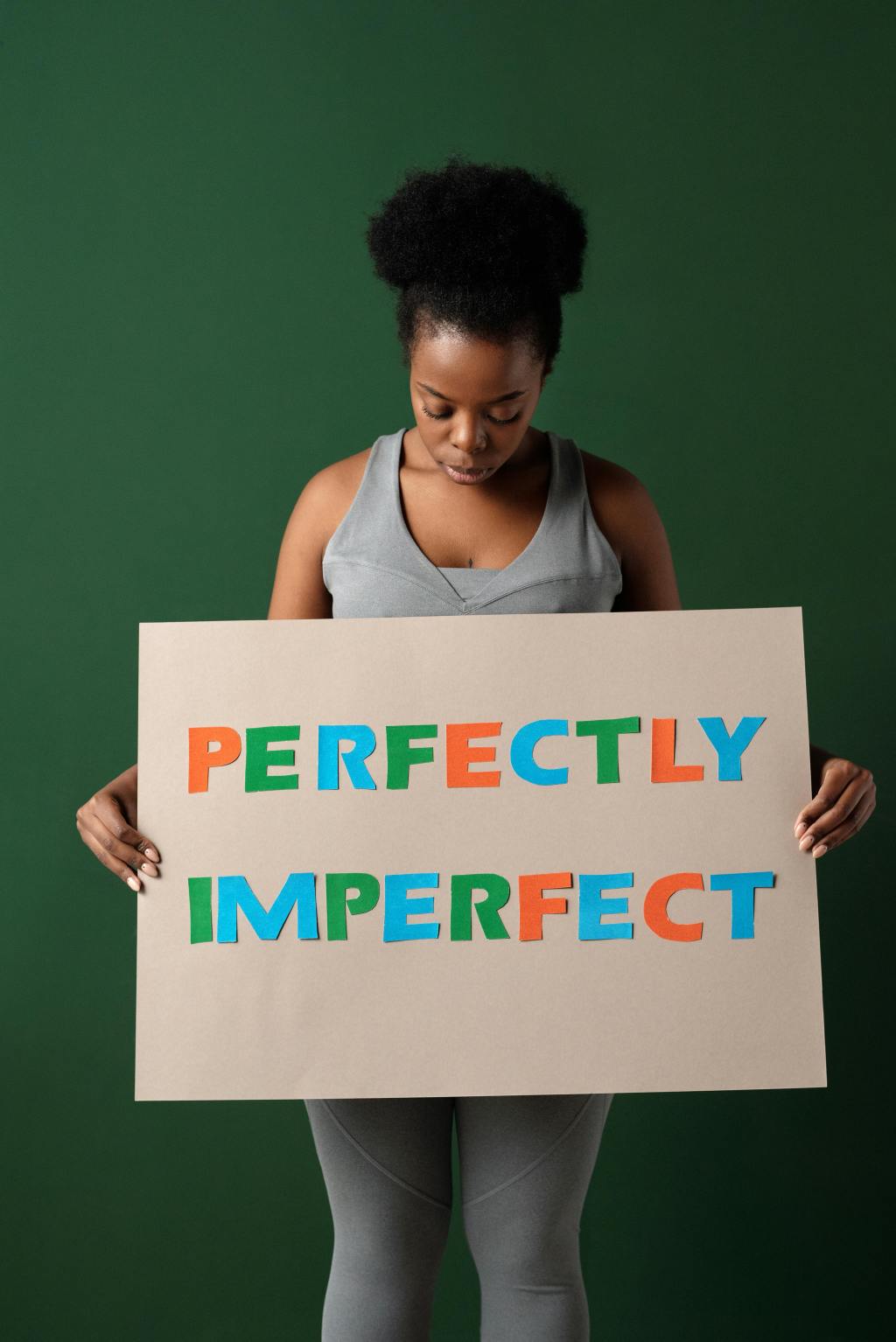
The journey to building Self-esteem require patience, self-awareness, self-refection and the commitment to one’s growth.
The reason is that when we start working toward a healthy self-esteem, we face resistance from the old ways of seeing ourselves as we adopt new beliefs and behaviors. Going through this process, it is helpful to keep ourselves motivated by recognizing the signs which can indicate the progress we are making toward improving or building a healthy self-esteem. These signs can be from our feelings, emotions, choices, actions or thoughts.
If we picture someone with a “healthy self-esteem,” we see a person who understand that he or she has flaws, imperfections, make mistakes, who recognize their strengths, limitations and weaknesses, yet see value in themselves beyond all of it. He or she may seem invisible to others, but see themselves clearly as an individual, living a human experience to learn and grow.
The person views himself/herself beyond their appearance (although this can help, sometimes), their roles, their titles, their status or their material possessions. Because in the absence of all or some of these things, he/she still finds value in who she/he is.
Their self-worth is not necessarily dependent on things outside themselves, rather they draw it from within-such as believing and recognizing that as an individual, he/she can learn, can grow, can become, are capable, have skills and qualities or can develop them, and are able to do their best to achieve their goals.
Things that are outside themselves can complement and enhance who they are, but do not necessary define them.
Furthermore, they understand that growing and evolving in life comes with ups and downs and can face it with patience, learning and courage, without letting it overshadow who they truly are as an individual. They trust themselves to face life challenges and view them as tools for growth.
Additionally, they accept the reality of life as it is, while working to improve themselves, because they recognize that they are the main character in their own life and play the key role in it, which manifest in their reality.
How to recognize the signs of a Healthy self-esteem?
Self-Esteem in Yourself
Healthy self-esteem starts with building a relationship with yourself. You start to understand your emotions, your triggers and your feelings and learn to manage them better. This help you have a balanced and realistic view of yourself, knowing that you are not perfect, but you are enough to do the best to live your life.
One of the first sign you can notice is improvement in your emotions and feelings as things that used to triggers you, no longer easily affect you. You learn to find balance between the negative and positive emotions and feelings you face as you understand that it is part of life and will pass. But how you manage and regulate them is what make a difference in your life.
For instance, if you were constantly overwhelmed and triggered by others around you, the feelings start changing as you choose to accept reality as it and redirect your focus on yourself- which is to enjoy your life and find happiness in the present. You choose to adopt favorable thoughts as an adult, who can handle life ups and downs and understand that not everything is about you, and that you have no control over things outside yourself, but you have total control over how you let them affect you. This can take time for some of us as it can be a difficult process after dealing with low-self-esteem for a while. But with awareness and practice, it can be achieved.
- You start to regulate your emotions by acknowledging them, the best way you can, while trying to understand the reasons behind them. You try not to avoid them because facing them is how you start to manage it
- You understand and recognize your triggers and learn to face them in healthy ways as you learn to work with them
- You stop reacting in situations, events, relationships, rather, you learn to respond by practicing being calm, and reflecting
- You choose your peace over being right or the need to win -You start to do what feel right for you
- You understand that not everything is about you
- You start venting and complaining less, and relying on yourself by using the coping tools you have learned to help you process emotions
- You can even start practicing silence, taking walk or connecting with a positive person who can help you see different perspective
- You are comfortable asking for help and guidance by connecting to people who can give you different perspectives or views, as this is part of growing
- You start to put your own needs first. Either it is your time, space, energy or resource because you come to understand that you cannot give to other, truly and freely if you are empty.
- You now act from a place of awareness and not from lack, naivety or ignorance
- You find inner peace in your actions and choices because you take responsibility for your life
- You assess your own values, beliefs when making decisions, so that they are aligned with you
- You feel more comfortable and capable of handling the daily life without letting it unnecessarily overwhelm you
- You respond to daily stressors in your life in healthy ways by learning to prepare yourself mentally, and the best way you can and not let them control your day or your mood
- You stop blaming everyone else, and take responsibility for your part
- You start to see lessons in situations, circumstances and choose to learn from them
- You see challenges, setbacks, adversities and failures as tools to grow
- You start to reframe situations to benefit you in a positive way, by reflecting on different perspectives, even when it does not provide the outcome expected or even when other do not see it that way. You try to find lesson in it for yourself and your growth
- You start showing up authentically in your life and not worry too much about being different, awkward or not fitting in or not belonging
- You understand that everyone else is figuring out their life, in some ways
- You start to recognize your differences and similarities in others, and understand that you are not alone, but you can only live your own life and follow your own journey
- You learn to be accountable for yourself
- You choose to invest in yourself and do things that bring you joy, happiness, peace, and help you grow
- You start to make time to enjoy things you like, and learn to enjoy your own company and become you own cheerleader and advocate
- You start keeping your own promises and expectations, and make yourself a priority
- You feel capable of and have confidence in your abilities to manage your life.
- You learn to maintain a healthy state of being for yourself- that is what feel right to you, your personally type, your traits and what works best for you
- You start to take responsibility for your own thoughts, actions and choose to regulate them on the daily basis, to help you maintain a healthy state of mind, because you recognize that your self-esteem is dependent on it.
- You Finally understand that no one is coming to save you or show you how to live your life- You learn by doing and showing up in the arena of life.
Self-Esteem with your Feelings
When building a healthy self-esteem, it is essential to try your best and make intentional efforts to choose to stay in feelings that can improve, boost and enhance a positive state of being. This does not mean that you need to be positive all the time, rather it is understanding that positive emotions help boost our self-esteem more than negative ones can.
Maybe you can use a reverse psychology like some people do. They boost their self-esteem by turning negative feelings and experiences to benefit their own growth and confidence. If that is you, that is great, if you can achieve it. Just keep in mind that you want to move from a place of awareness and grow for yourself, by turning things around in a positive way and not let your ego get in the way. Because this also can feed into the need to validate from things outside yourself. The goal here to focus on your own growth in any situation you face and move with that in mind. If you move from a healthy place of bettering yourself for you and not to prove something to others, you can use this tactic to help your growth.
Another term for this process is called-Alchemizing the energy (turning negative experiences or emotions and feelings into positive outcomes for yourself). For instance, if you deal with someone who constantly do not respect your boundaries, you can use that feeling to stand up for yourself and set firm boundaries, without being angry or upset.
- You acknowledge feelings such as fears, envy, grief, sadness, loss or any unwanted feelings, but work to reframe and redirect them to adopt a positive perspective.
- You start to develop feelings that bring you happiness, such as joy, excitement, curiosity ect— feelings that can brighten your day and help you stay positive
- You learn to choose gratitude over lack, even when things do not seem to work your way
- You choose to cultivate feeling of joy, contentment, grace, abundance on the daily basis, because you understand that as long you are trying, things will change eventually, and favorably. So, you choose to be positive instead of being negative
- You move from seeing yourself from being a victim to someone who is empowered in situations you face in your life- turning disappointments into opportunities for growth and learning
- You no longer define yourself with only one thing or area of your life, rather you look at yourself in a 360 view, as someone who is growing, and have other areas in their life to create happiness, nurture, growth and enjoy.
For instance, if your love life does not work well, rather than let it define who you are as person, who will never be happy or not loved, you choose to accept it for what is and understand that you can improve in this area, and trust in your ability to grow and learn and make changes.
You see yourself beyond one aspect of your life, with a more holistic view. It feels like saying to yourself “There is more to me than my circumstances, and I can change it, if I am willing to try”.
You can even reframe it to the best advice you will give to your younger self or someone you care about. You will be surprised at how one can change your perspective when trying to genuinely help or give advice to others, as you put yourself in their shoes and reflect on what you would like to hear if you were to receive the same advice.
Self-Esteem in Relationships
When building your self-esteem, dealing with others can be the one of the challenging aspects in the process. Because we must work with other people’s feelings, emotions and actions, and we do not have any control over them. As a result, we must work in managing ourselves while taking in account dealing with other. But we must reminder that we are mostly responsible for our own thoughts and actions, and that others have control over theirs.
However, when we are making progress toward building our self-esteem, we learn to start better handling relationship with others, without letting them negatively affect us too much and it can get easier, with practice and awareness.
Recognizing this is so important for our growth as things outside ourselves tend to affect our self-esteem a lot more than we realize, until we start reflecting on it and come to this understanding.
When building your self-esteem, your relationship with other can benefits greatly because you now move from a position of awareness and self-worth.
- You understand that you cannot please everyone, and cannot like everyone and other can do the same
- You start to set boundaries for yourself and express your needs, without feeling bad or guilty. This also help you avoid toxic situations because you value your own well-being
- You understand that no one own you anything, but you own yourself everything
- You own yourself respect, self-love, self-care, believe in yourself, trust and support yourself, and to stand up for yourself
- You realize that you must be your own best friend, confidante, cheerleader, first advisor, best companion, and lead yourself before anyone else can do it for you
- You recognize that you are on your own journey and stop comparing yourself to other
- You become less influenced by outside pressure because you focus on your growth
- You realize that you must be the change you want to see around you and you try your best to set the tone in your own life
- You start to say No/Yes without feelings bad
- You start to be open to see different perspective without losing sight of yourself, your goals, your values and beliefs
- You no longer feel the need to constantly make others comfortable, or attend to their feelings, because you start showing up from a place that is true to you. You do not act to hurt or cause harm to anyone, rather you act from a place where you choose to treat other as you want to be treated. You develop humility.
- You start acting with clarity and openness in dealing with others
- You stop looking for validation, rather you seek genuine connection
- You start not letting your insecurities control how you think, act or behave with other. You now move from a healthy place with awareness
- You make intentional efforts to act and nurture thoughts that help you maintain a healthy self-esteem with dealing with others- we are all living a human experience, some more experienced, wiser and more aware than other, but we are all on the journey in our individual self-discovery. This realization can help you stay grounded while building your self-esteem
- You manage to bring joy in your life, even when it may feel uncomfortable doing it by yourself as you know it is part of growing
- You start to embrace alone time or become more selective on how you spend your time, so you can preserve your energy and well-being
- You no longer ruin your entire day due to an innocent disagreement, argument, or being uncomfortable in a situation
- You understand that you a responsible of your happiness and creating the life you want for yourself
- You no longer let situations define you
- You worry less about other people view of you or try to get validation from them
- You learn to value yourself and be secure in who you are or becoming, value your feelings and emotions, and self-validate
- You do not let other opinions, criticisms, judgments affect you as you now learn who you are, know your value and rely on your inner compass
- You become selective of the feedback, opinions and advice you receive, and become more discerning
- You can be afraid of rejections and be uncomfortable, but you are still open to try because it is part of growing and moving forward in life
- You stop taking rejections personally as you understand it is part of building relationships
- When you feel rejected or abandoned, you do not take it personally, but learn the lesson from it and move on in your life
- You recognize that rejections is sometimes a blessing and that it does not define who you are- it is just part of life.
- You can take criticism without feeling bad or taking in personally-depends!
- You can handle relationship conflicts the best way you can, and be open to have honest communication when you feel ready
- You take responsibility for yourself and understand that not everything is your fault and that everyone can learn from their mistakes. You choose to learn from yours
- You develop healthy attachment to other. And you practice this by creating various sources where you draw your happiness, so that you do not make anyone the main center of your attention and happiness. Because you understand that the ultimate happiness you may have, must come with how you feel about yourself and the relationship you hold with yourself. This is what translate to relationships outside yourself and help you create healthy bond with others without becoming dependent on them.
- You understand that people maybe in your life for a season, a time or maybe for a longer and you are ok with. You are grateful when you have them in your life and when things must end for wherever reason you also accept that it is part of life, growing apart and moving on.
- You want and wish other to be happy in their own life, even when it means not having them in yours or losing them.
Self-Esteem and your Goals
With a healthy self-esteem, you feel better equipped and feel good about yourself to pursuit your goals and aspirations in life.
Because when you feel good and see yourself in a positive and favorable light, you tend to take more risks and bet on yourself, and work to achieve things you want in our life.
You can trust yourself and your ability to success because you know that if you can try your best, even when things do not turn out the way you wanted, you can grow from it and improve and even learn more life skills. You do not see the pursuit of your goals as a loss or waste of time because the process makes you happy, make you feel better about yourself, and it is part of evolving if you are willing to try.
- You set realistic goals and expectations for yourself and work to pursuit them. Even when you fall short in achieving your goals, you see the process worthwhile, as you become grateful for the lessons learned, the skills gained and other opportunities that you would not have experienced without choosing to work on your goals.
- You start to see failures and setbacks as opportunities for growth or change.
- You become someone who understand that you can only do your best, and that what will happen will, and you do not have to dwell on it
- You learn to easily bounce back from failures, adversities, setbacks, rejections and choose to build your character by using these as tools
- You now are open to see opportunities and possibilities for growth, all around you.
- You no longer see facing challenges, setbacks, failures and adversities as being a victim, rather you see them as opportunities around you to transform your life
- You see that you can grow and learn and become the best you can be
- You choose to learn skills to improve yourself and your life because you know it can help boost your self-esteem
- You start to see yourself differently- someone who can do the hard things in life, who is able to achieve their goals and create the life they aspire
Now that you can recognize the signs of a healthy self-esteem, it is important that you assess your self-esteem when you start to build it or when you do a self-reflection, to help you keep on track. Because as human, we can easily fall back to our old ways when things get difficult or life get in the way. But we owe ourselves to grow and be better than we were.
How to check-in with your self-esteem?
- Check-In with yourself throughout the day or when you feel a negative shift or unsettled feeling in your mind or thoughts This allows you to get to know yourself better and see where your thoughts are, thus allowing you to reset into a more positive mindset as needed. You can refer to the earlier section on- managing emotions and feelings. This is especially important as you start to build your self-esteem.
- Become awareness of your emotions, feelings and moods Recognize when things start to trigger you or you feel the need to go back or act in the old ways, which no longer serve you and remind yourself of the commitment you made to yourself to improve and grow. Accept that emotions and feelings are natural and will pass. Then works to reframe to a positive and favorable outcome for yourself, regardless of what happen or is going on around you. You try to find hidden lessons that benefit your self-esteem and trust that wherever happen is not against you, but for your growth.
- Take actions, wherever small it may be Like taking a walk outside, chatting with a friend, going for bike ride, exercise, go for a run, watch favorite shows, write, read, draw, sing, express yourself ect—the goal is to do something to release the energy from the feelings and emotions you do not prefer, so that it flows out. This is to avoid them from building up inside and negatively impacting your self-esteem or how you view yourself.
Because when we do not attend to our emotions and feelings in a way that help us bring balance to ourselves, we can negatively affect our self-esteem, by sitting in energy that do not serve us in a long run. That is why it is important to bring awareness and make intentional choices to be in a state of internal peace, even if it is just trying. Overtime, it may get better. So, movement is key to avoid stagnation and buildup of emotions that can hinder your self-esteem.
Finally, recognizing the signs of a healthy self-esteem is essential to our growth in life. Because a healthy self-esteem acts as a foundation for our mental well-being, influencing how you think, feel, and behave in both personal and relationships with other. With this idea in mind, we can start to build, nurture and maintain our self-esteem by bringing awareness to how it manifest in our life, to help us get a handle of it whenever we can see a deviation between who we are or want to be and the choices that do not reflect our self-worth.
Ultimately, a healthy self-esteem helps us reduce the risk of depression, anxiety, self-doubt and hopelessness in our life- thus allowing us to empower ourselves to live the life we want.






 ROOTED CONFIDENCE
Leave a comment